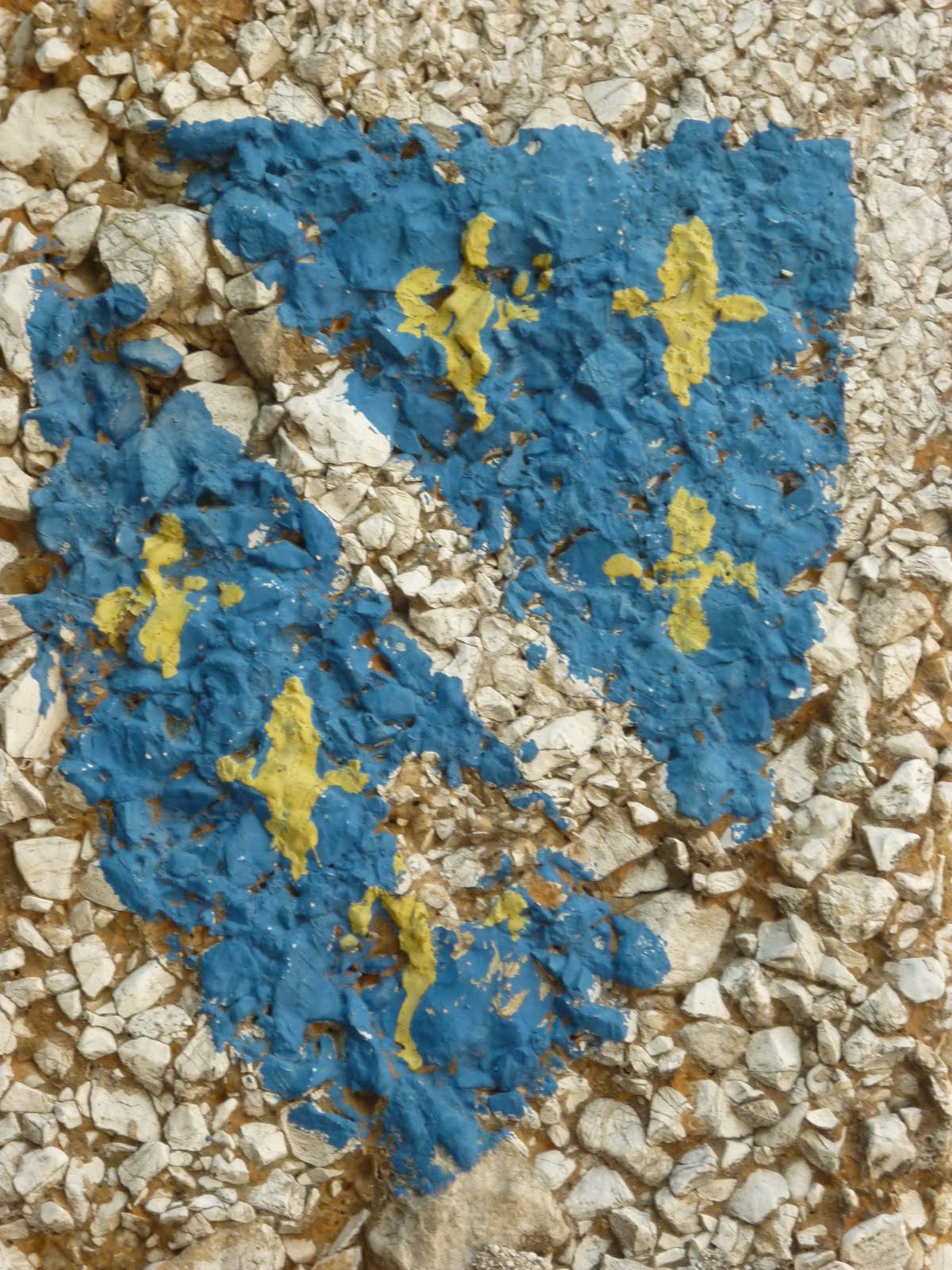
Just returned from a short holiday to Sarajevo in Bosnia, but its not the holiday I am blogging about.
Like the vast majority of the population, I was ignorant to the terrors of the Bosnian War. In 1993, whilst I was looking forward to the hype that was Jurassic Park, kids my age in Bosnia were looking forward to three years of a lost childhood in dingy basement rooms. Whilst I gaped up at MTV and listened to Meat Loaf’s “I Would Do Anything For Love” for the millionth time, pondering why on earth a parent would call their child a sort of baked meat, a Bosnian child could only expect to hear mortars exploding outside their windows, and bullets bearing down on their walls.
The horrors they experienced were far more real than any special effects I would ever witness. Their anger at the international community for shrugging their shoulders at rape and genocide, far more justified than my daily grievances about my morning commute or incompetent work colleagues.
At the time, I was eight years old. Nineteen years later, I’ve been lucky enough to learn and understand more about a beautiful country, and the marred burdens of history which rests upon its wearisome shoulders.
Sarajevo’s story is long and rich with decadent beginnings within the Ottoman Empire, stern but progressive developments under Austro-Hungarian rule, and more recently as an ill-fated keystone to dreams of a united Yugoslavia.
To cut the story short (as crass as it is to do so), there were Bosniaks and Croats (Muslims and Catholics), and Serbs (Orthodox). Rooted in an underlying bitterness of being historically oppressed, a proclaimation of war in the name of the ‘R’ word (‘Religion’), the wish of the Bosniaks to seek independence following the rapid deterioration of the idyllic Yugoslavia was brutally repudiated by the Serbs through means of a strategically planned siege and ethnic cleansing exercise across the entire landscape of Bosnia.
Bosnians were in disbelief – this was civil war in the 20th Century, and as they woke to a new setting outside their windows in the April spring, few would believe it to be the longest siege (almost four years) in the history of modern warfare.
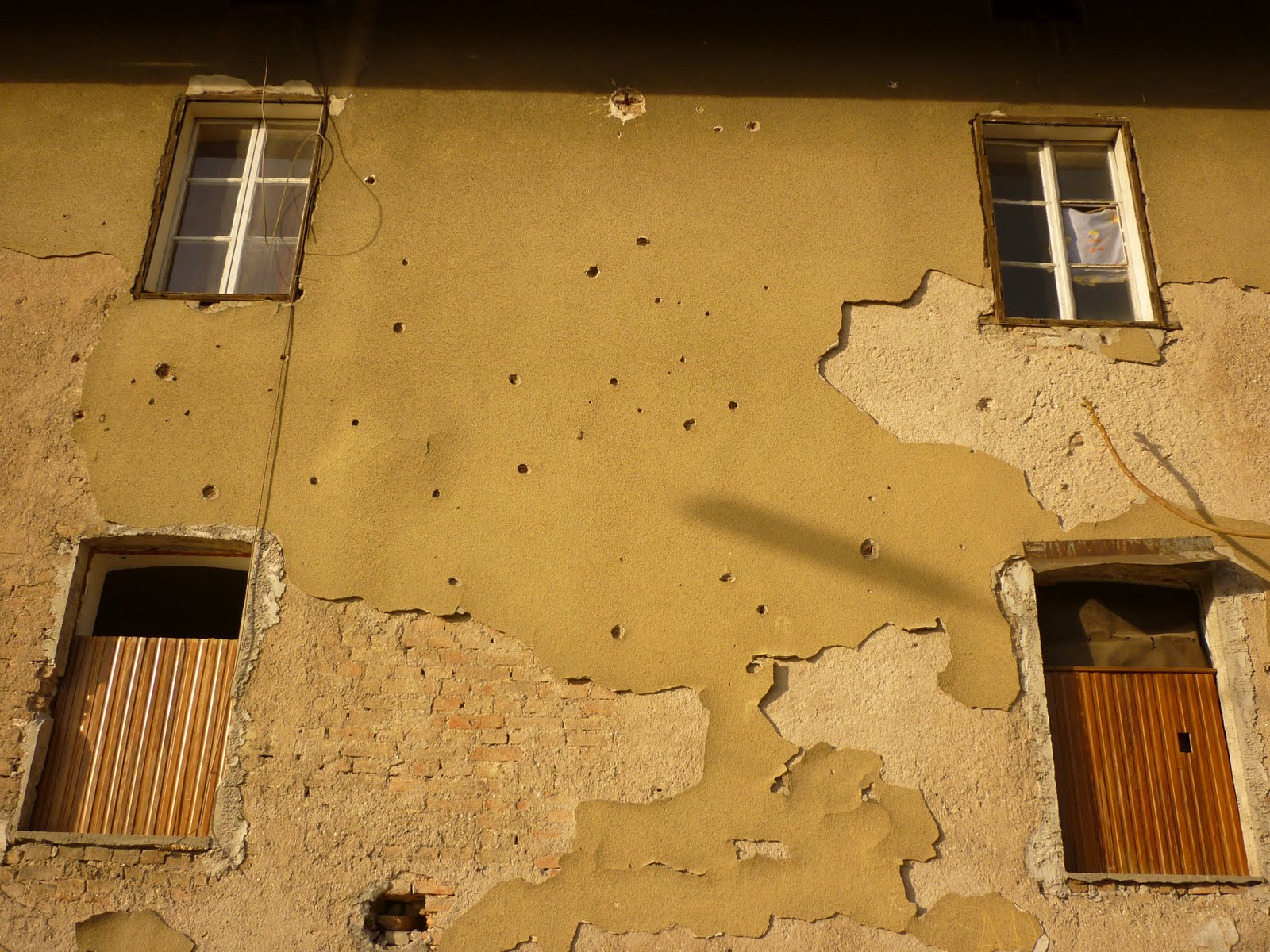
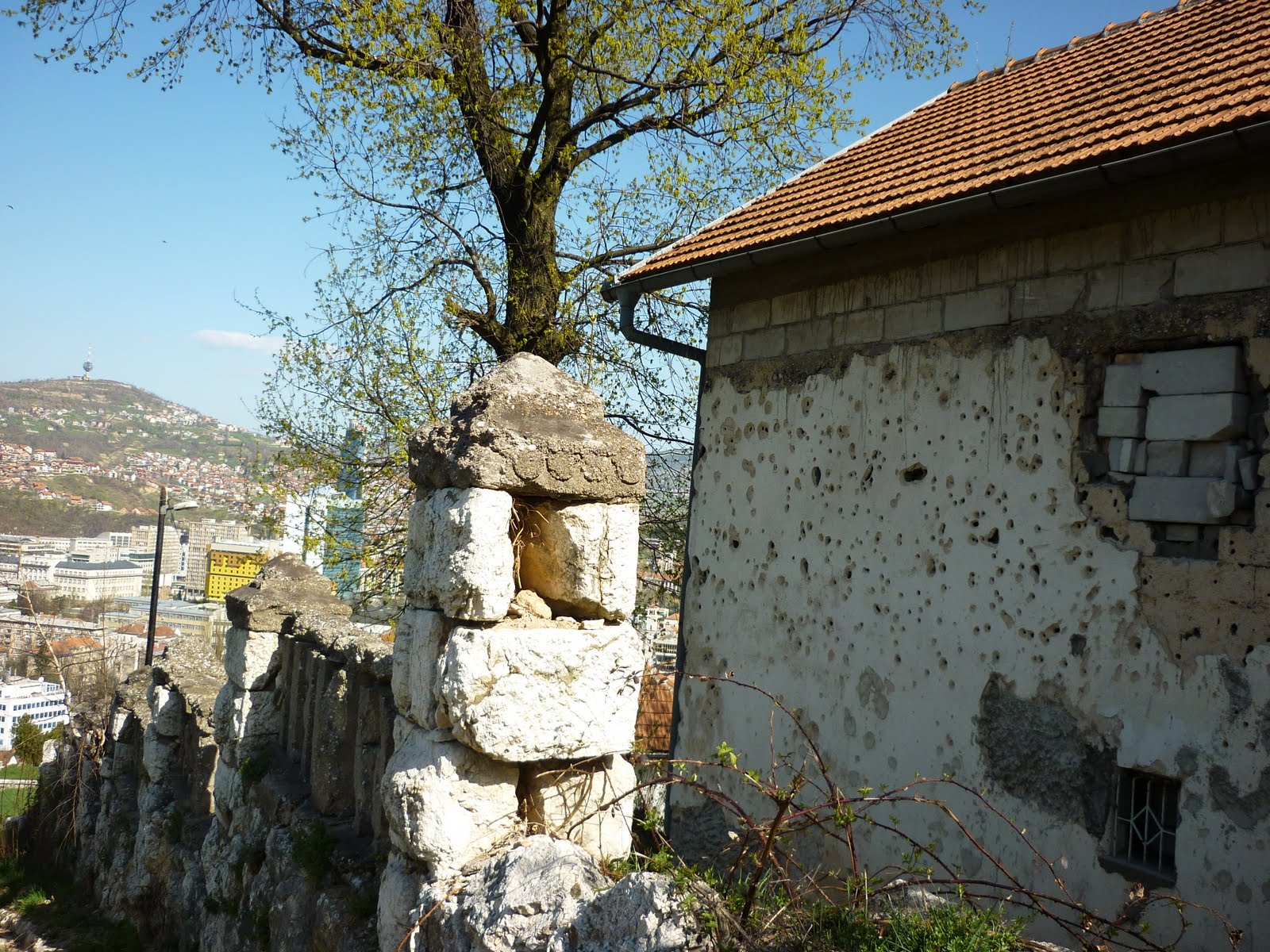 A house by the Jewish Cemetery shows bricks replacing a hole where tank artillery hit. The famous/infamous Holiday Inn Hotel can be seen in the distance.
Suddenly, it wasn’t safe to be out in daylight walking the streets. The common citizen had not caused this war but they, like all the others, were its victims. The main boulevard in Sarajevo, connecting the residential west and the commercial east districts, became known as ‘Sniper Alley’ – to walk it in broad daylight meant that you would willingly die on its streets. Journeys to forage for food became a three day trek in the backstreets as opposed to a one hour drive across the road.
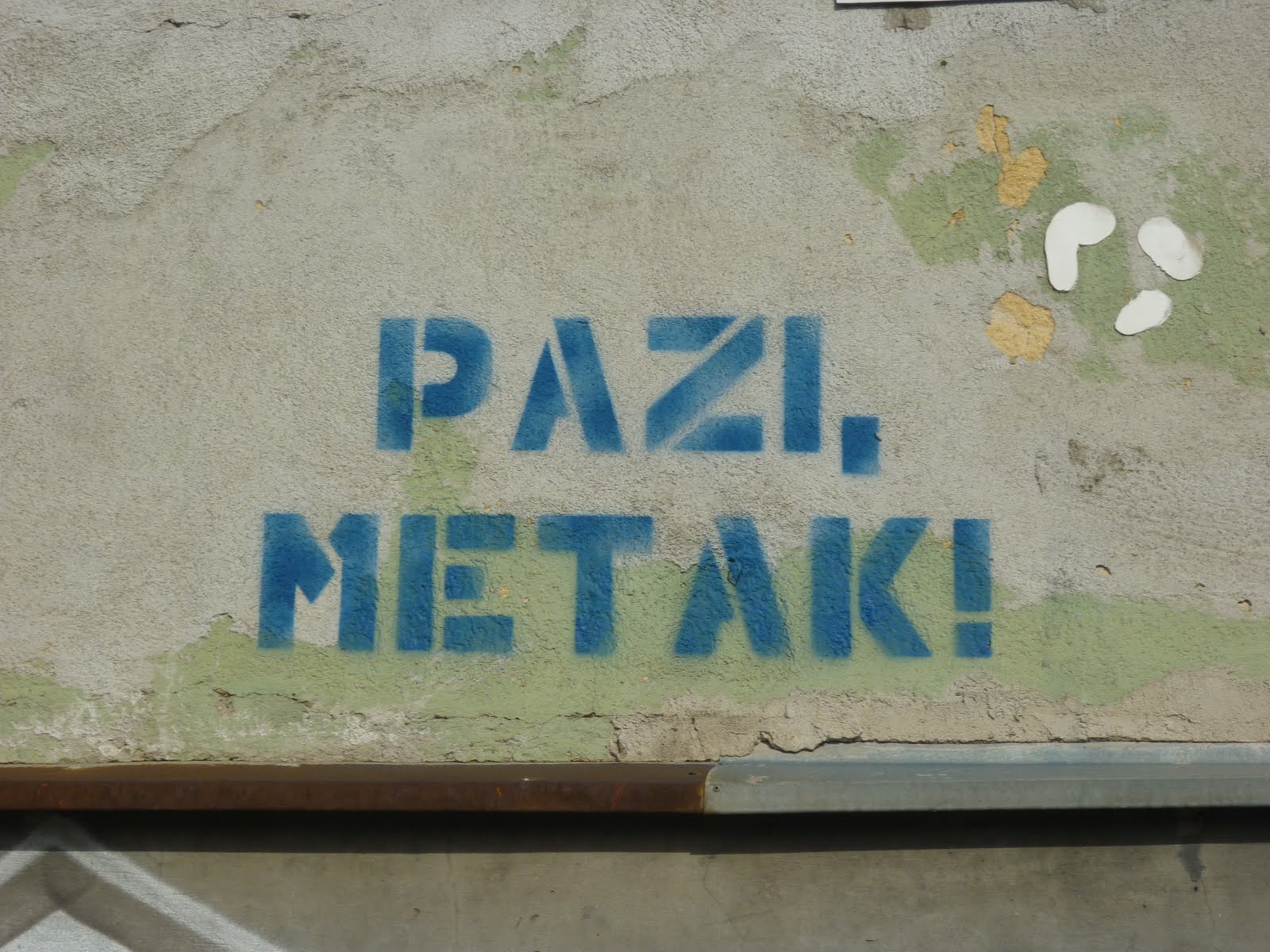
Sign on Sniper Alley reads: Watch Out for Bullets!
The yellow walls of the Holiday Inn hotel however, which sat rather prominently on the alley – were left completely untouched by the snipers and tanks shooting from the hills. The hotel accommodated dozens of foreign journalists, and they didnt want to stir up that shit-storm anytime soon.
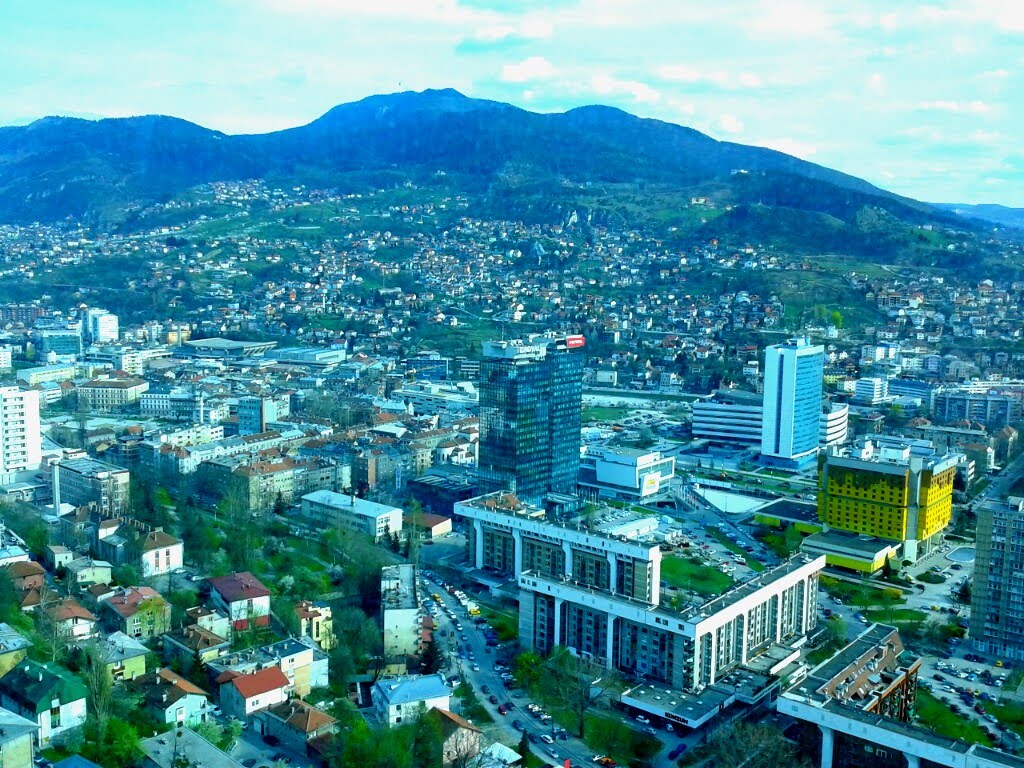
Whilst the Parliament building burned until the final flames had petered out, homes were abandoned, its familes driven to the cellars for fear of mortars and bombs – and became backdrops to gunfire and grenade launches. The town of Srebenica itself, saw the massacre of over eight thousand Bosniaks – genocide that is still denyed today by the Serbs.
All this time, the rest of us were giggling about how inanely funny this new film ‘Wayne’s World’ was, because dreadful mullets were the real tragedies that people liked to talk about.
The war ended in 1995 when NATO finally pulled their fingers out of their arses (it only took them three years and a couple of massacres to turn their heads) and launched air strikes onto Serb forces – prompting the Dayton Agreement peace treaty. The war had ended but would have done so sooner, had there been something (Oil..?) for the international community to get their grubby little hands on.
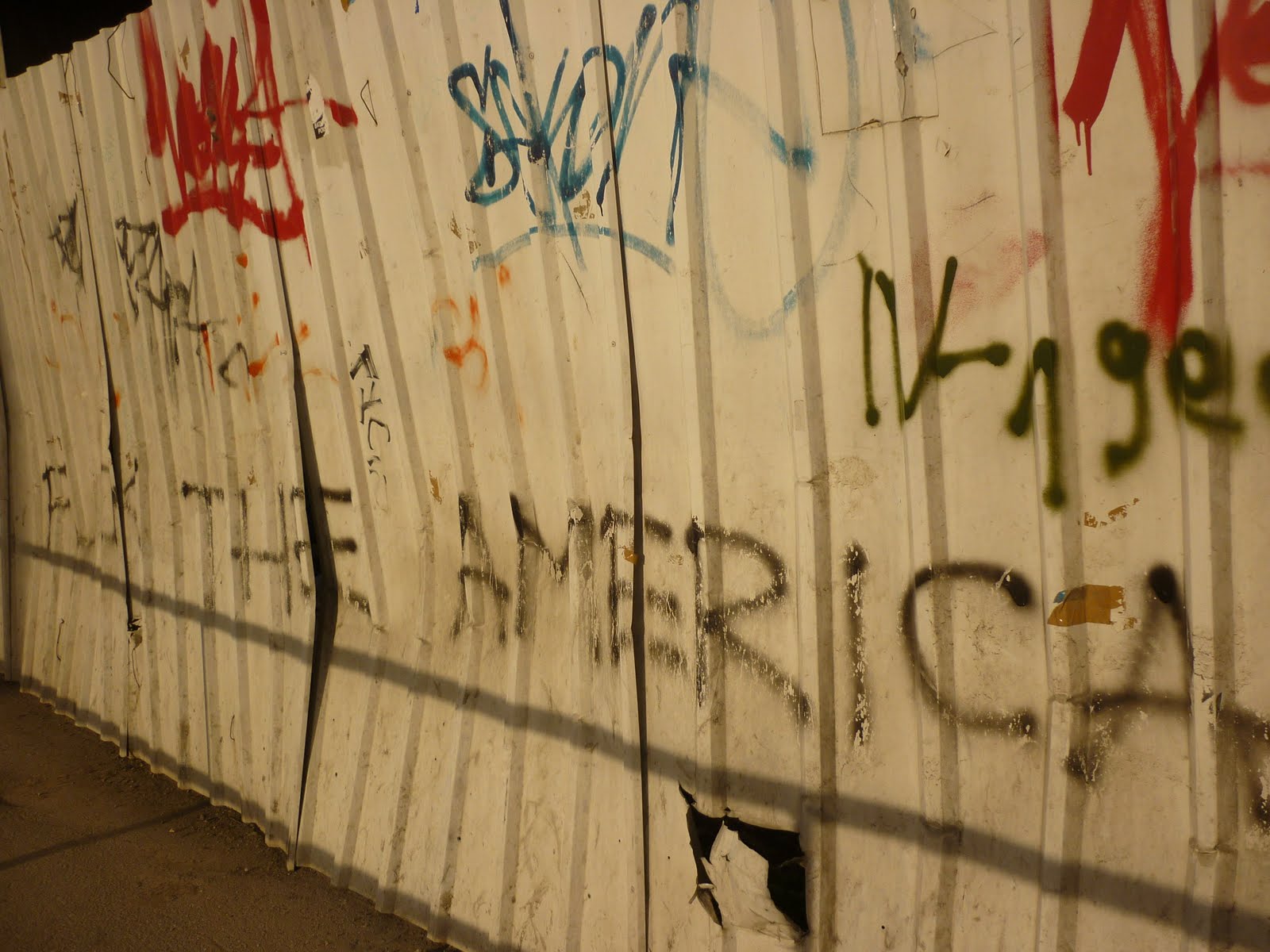
Bosnians: Not hearting the Americans (Graffiti outside the US Embassy)
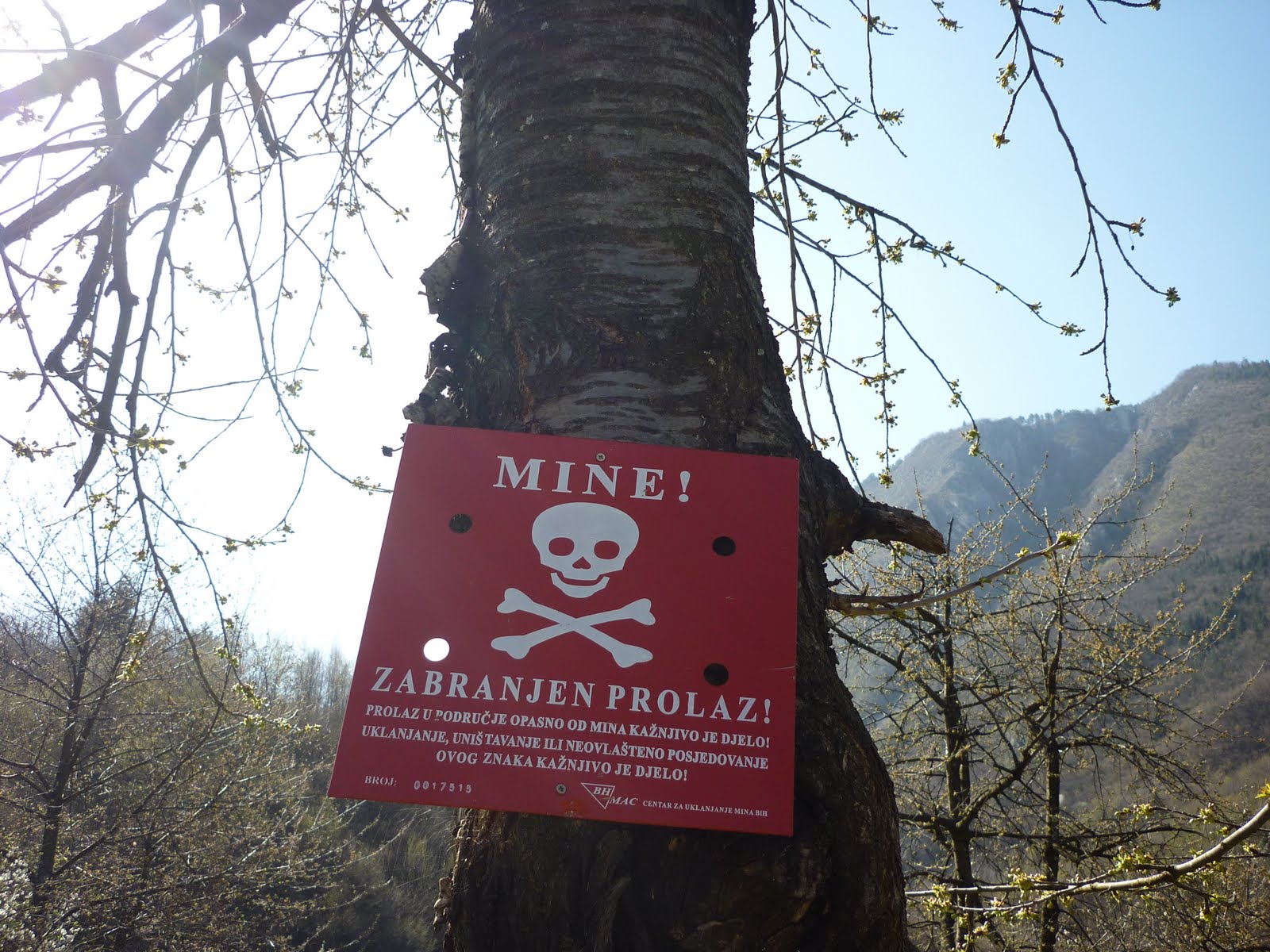
I was told that up to 16,000 unexploded mines still lie in waiting across Bosnia – making it the most mined country in Europe. Mine maps which may have once existed have been lost – forests and abandoned buildings remain sites of danger and signs litter the country warning passerbys not to enter where the risk is uncertain.
That was then – this is now. Bosnians still carry the mental scars and the vivid memories of war, but are determined to move on, even past their corrupted and contrived excuse for Parliament. As a community, I found them warm, generous, and optimistic for the future.
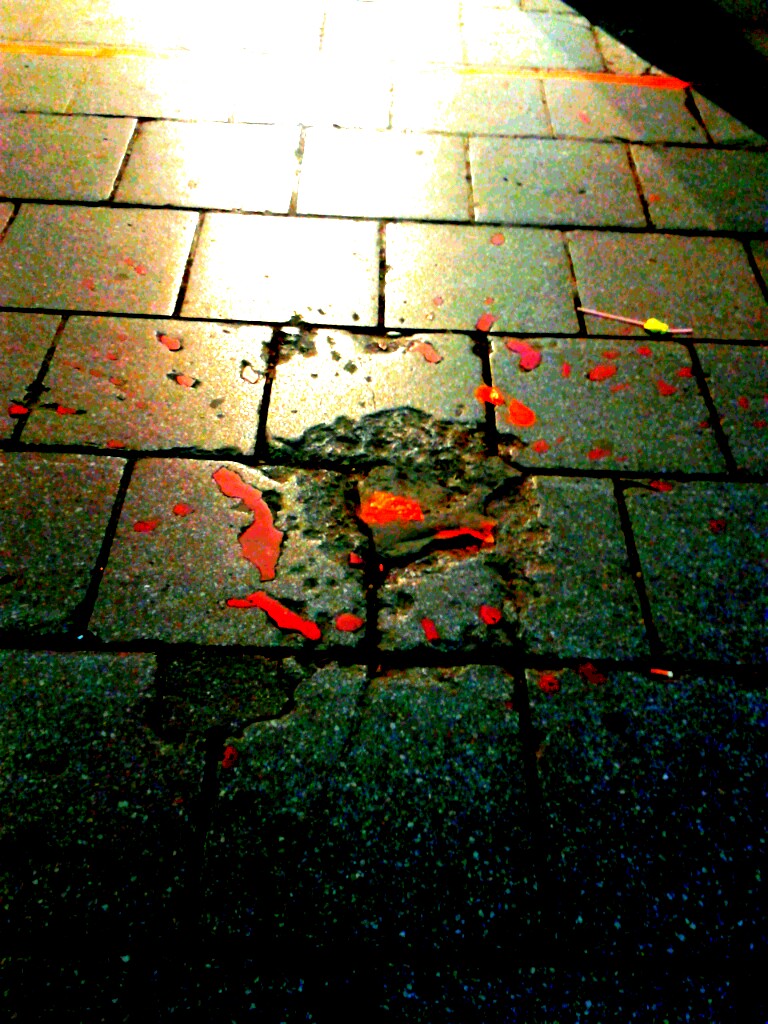
‘Sarajevo Roses’ – remains of mortars burned into the ground, and filled with red resin to symbolise the civilian lives the mortar had stolen away – are present throughout the city. Muslim gravestones are scattered across the local park space, overlooked by a fountain built from bomb shells and recently constructed in honour of the 1,500 children who died in the war.
Sarajevo is an amazing city filled with historic monuments, jawdropping panaormas, a vibrant and colourful social stem and wonderful people who seek to move on with their lives whilst still honouring the memories of those who died needlessly. Unfortunately, the ideological cracks remain deeply embedded in government and corruption is a way of life. Instead of focusing on education and infrastructure, behemoth shopping centres have been built, attracting little more patronage than the envy of the population who can barely afford to shop there. Unemployment is at a staggering 43% – with over 70% of the national GDP going towards public adminstration, lining the pockets of its officials as opposed to the wider economy.
This blog doesnt go very far – if it reaches out to anyone at all. But I thought it important to note down my thoughts on this war torn-but-still-standing country, and would urge anyone willing to listen to my ravings to consider a contribution to a struggling economy and nation, and visit this gem of Eastern Europe.
Bosnia is living proof that the most beautiful of roses can emerge from the trampled, blackened earth. World, please endeavour to give a warm welcome to Sarajevo.
 KJK
KJK 